
Biome guides to gut, metabolic and hormone health
Clear, specialist-written explanations of common conditions, tests and procedures — and when it's time to see a doctor.
Featured guide · 2 min read · Reviewed by Dr. Natasha Abela-Mapa
Irritable bowel syndrome (IBS)
Irritable bowel syndrome, or IBS, is a long-term disorder of how the gut and the brain work together. It causes recurring abdominal pain or discomfort along with a change in bowel habits — diarrhoea, constipation, or both — without visible damage or inflammation in the bowel.

- Recurring abdominal pain or cramping that often eases after a bowel movement
- A change in how often you pass stool, or in its form
- Bloating, wind and a feeling of fullness
- Urgency, or a sense of not having fully emptied the bowel
All guides
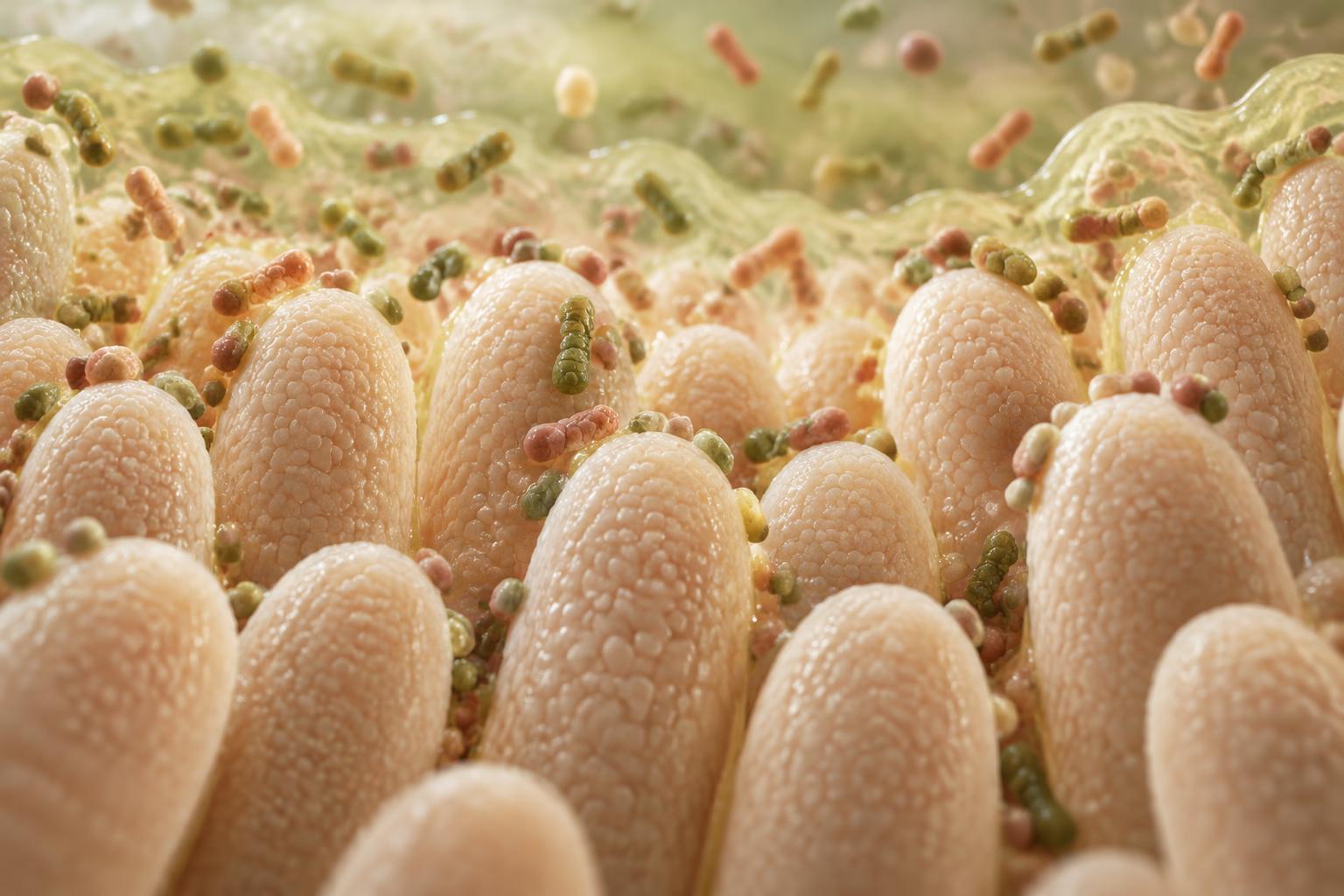
Small intestinal bacterial overgrowth (SIBO)
Small intestinal bacterial overgrowth (SIBO) occurs when excessive bacteria build up in the small intestine. It can cause bloating, gas, abdominal discomfort and diarrhoea; in some people, it affects nutrient absorption.
Reviewed by Dr. Natasha Abela-Mapa
Read guide
Acid reflux and GERD
Acid reflux is when stomach contents flow back up into the oesophagus, the tube between your throat and stomach. Occasional heartburn is normal; when it happens repeatedly and disturbs your life, it is called Gastroesophageal Reflux Disease (GERD).
Reviewed by Dr. Natasha Abela-Mapa
Read guide
Fatty liver disease (MASLD)
Metabolic dysfunction-associated steatotic liver disease, or MASLD — previously called NAFLD — is a build-up of fat in the liver linked to metabolic factors such as insulin resistance, excess weight, and abnormal blood fats.
Reviewed by Dr. Calvin Macrohon
Read guide
Bloating
Bloating is the feeling of fullness, tightness or swelling in the abdomen, sometimes with a visible increase in waist size during the day. It is one of the most common reasons people come to a gut clinic.
Reviewed by Dr. Natasha Abela-Mapa
Read guide
Weight management and GLP-1 therapy
Body weight is regulated by hormones, appetite signalling, sleep and metabolism — not by willpower alone. When weight is hard to shift, the usual reason is a metabolic driver that has never been identified and treated.
Reviewed by Dr. Calvin Macrohon
Read guide
Upper GI endoscopy (gastroscopy)
Upper GI endoscopy, also called gastroscopy, uses a thin, flexible camera to examine the oesophagus, stomach and the first part of the small intestine. Biome’s gastroenterologists can assess whether this investigation is appropriate for your digestive concerns and discuss the next steps with you.
Reviewed by Dr. Natasha Abela-Mapa
Read guide
Colonoscopy
Colonoscopy uses a thin, flexible camera to examine the rectum and colon. It can help investigate bowel symptoms, detect polyps and support colorectal cancer screening. Biome’s gastroenterologists can review your symptoms and risk factors to discuss whether a colonoscopy is appropriate for you.
Reviewed by Dr. Natasha Abela-Mapa
Read guide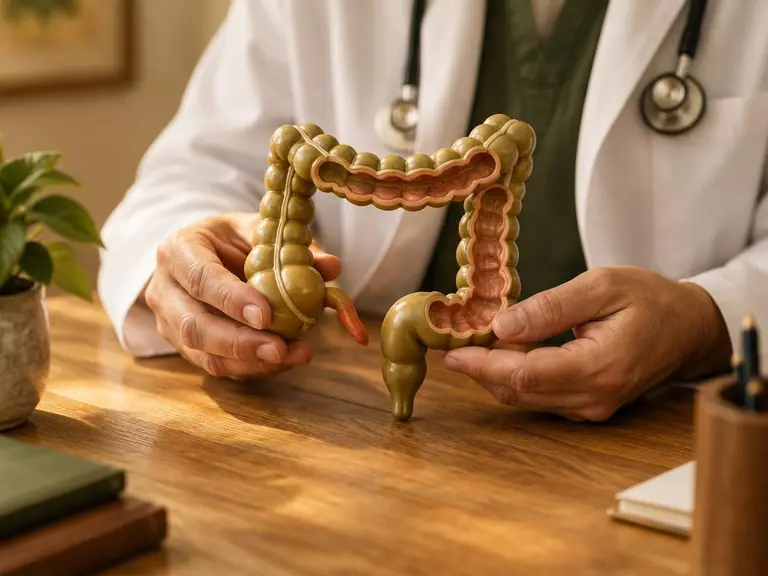
Inflammatory bowel disease (IBD)
Inflammatory bowel disease (IBD) includes Crohn’s disease and ulcerative colitis, conditions that cause chronic inflammation in the digestive tract. Biome’s gastroenterology team assesses digestive symptoms and helps patients understand the investigations and care their condition needs.
Reviewed by Dr. Natasha Abela-Mapa
Read guide
Gastroenterologist in BGC, Taguig
Looking for a gastro doctor in the Philippines? A gastroenterologist is a physician who specializes in the digestive tract and liver. Biome Gut Clinic brings gastroenterology, endocrinology and medical nutrition together, with consultations available in BGC, Taguig and online.
Reviewed by Dr. Natasha Abela-Mapa
Read guide
Gut dysbiosis
Gut dysbiosis describes a change or imbalance in the community of microorganisms in the gut. It is not a diagnosis that can be made from bloating or fatigue alone. Biome assesses your symptoms and medical history before deciding whether microbiome testing adds useful information.
Reviewed by Dr. Ivan Zapanta
Read guide
Hormone health
Hormones help regulate metabolism, appetite and many other body functions. Biome’s endocrinologists assess hormone-related concerns alongside gastroenterology and medical nutrition, rather than treating fatigue or weight changes as a hormone diagnosis on their own.
Reviewed by Dr. Calvin Macrohon
Read guide
Functional medicine
Biome offers functional medicine within its physician-led approach to digestive, metabolic and nutrition concerns. The starting point is a review of your symptoms, history and goals, with care decisions grounded in medical assessment.
Reviewed by Dr. Ivan Zapanta
Read guide
Concierge medicine
Biome offers concierge medicine for patients seeking personalized care arrangements. Contact the clinic to discuss your needs and confirm the current scope, availability and terms before enrolling.
Reviewed by Dr. Ivan Zapanta
Read guide
Anti-inflammatory diet
An anti-inflammatory diet is an eating pattern built around vegetables, fruit, whole grains, legumes, fish, nuts and healthy oils, with fewer ultra-processed foods, refined sugars and processed meats. It is not a cure for any disease, but this pattern is linked with better metabolic and gut health. Biome’s Medical Nutritionists tailor it to your condition, tolerances and preferences.
Reviewed by Dr. Ivan Zapanta
Read guide
Food intolerance
A food intolerance happens when your digestive system has difficulty handling a food, causing symptoms such as bloating, gas, abdominal pain or diarrhoea. It is different from a food allergy, which involves the immune system and can be dangerous. Biome’s gastroenterologists and Medical Nutritionists help identify triggers without cutting out more foods than necessary.
Reviewed by Dr. Ivan Zapanta
Read guide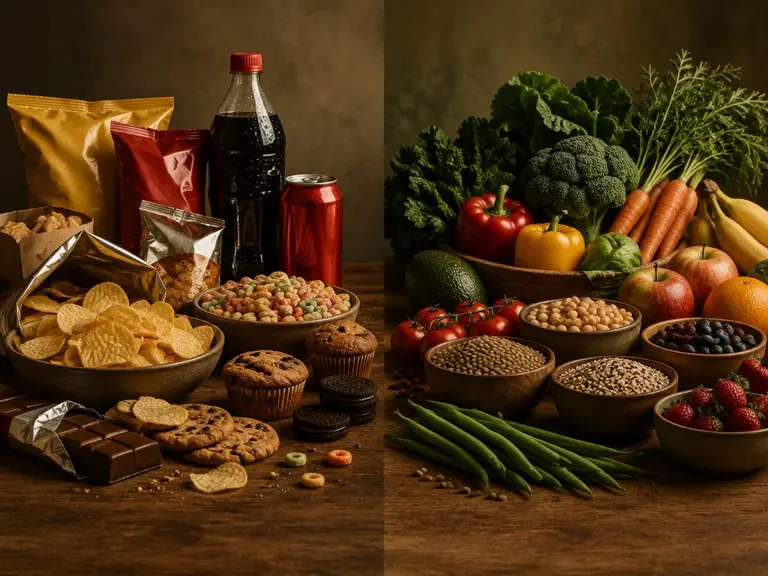
How ultra-processed food disrupts the gut microbiome
Ultra-processed foods are industrial products made mostly from refined ingredients and additives, such as packaged snacks, instant noodles, sugary drinks and processed meats. Diets high in these foods are linked with lower microbiome diversity and poorer metabolic health. Research is still developing, but shifting towards whole foods supports a healthier gut.
Reviewed by Dr. Ivan Zapanta
Read guideResearch we follow
Studies and reviews from leading medical journals that inform our care.
- Harvard Health · 2024Can Gut Bacteria Improve Your Health?
- The New England Journal of Medicine · 2022Tirzepatide Once Weekly for the Treatment of Obesity
- Nature Reviews Gastroenterology · 2024GLP-1 Agonists: Clinical Trials for Metabolic Dysfunction
- The New England Journal of Medicine · 2025Semaglutide in Patients with MASH and Liver Fibrosis
- JAMA Internal Medicine · 2024Semaglutide vs Tirzepatide for Weight Loss in Adults With Overweight or Obesity
- Gastroenterology (AGA) · 2024The Low-FODMAP Diet for IBS: Evidence and Clinical Application
- Harvard Health · 20255 Simple Ways to Improve Gut Health
Not sure where to start?
Answer five quick questions and we'll point you to the care that fits your symptoms.